Brain Surgery (Cranial Neurosurgery) : Involves the treatment of conditions such as brain tumors, traumatic brain injuries, aneurysms, and congenital disorders like hydrocephalus.
Spine Surgery : Focuses on conditions affecting the spine and spinal cord, including herniated discs, spinal tumors, spinal fractures, and degenerative conditions like spinal stenosis.
Peripheral Nerve Surgery : Treats issues related to the peripheral nerves, including carpal tunnel syndrome, nerve injuries, and tumors.
Pediatric Neurosurgery : Specializes in treating neurological conditions in children, such as spina bifida, craniosynostosis, and pediatric brain tumors.
Functional Neurosurgery : Involves the treatment of disorders like epilepsy, Parkinson’s disease, and chronic pain through techniques such as deep brain stimulation (DBS) and nerve stimulation.
Common Neurosurgical Conditions
Brain Tumors : Both benign and malignant tumors require precise surgical interventions to remove or reduce their impact on brain function.
Traumatic Brain Injuries : Neurosurgeons treat severe head injuries, including bleeding (hematomas), fractures, and swelling, which require immediate intervention.
Spinal Cord Injuries : These injuries can result in loss of function or paralysis, requiring surgical stabilization or decompression of the spine.
Herniated Discs : Common in the lumbar or cervical spine, these conditions may require microdiscectomy or spinal fusion to relieve pain and restore mobility.
Aneurysms and Arteriovenous Malformations (AVMs) : Abnormal blood vessels in the brain that can rupture, leading to life-threatening bleeding, requiring delicate microsurgical or endovascular treatments.
Diagnostic Tools in Neurosurgery
MRI (Magnetic Resonance Imaging) : Provides detailed images of the brain and spine to detect abnormalities.
CT Scan (Computed Tomography) : Used for quick imaging of the brain, especially in emergency situations like trauma.
Angiography : Visualizes blood vessels in the brain to diagnose aneurysms and AVMs.
Electroencephalogram (EEG) : Monitors electrical activity in the brain, commonly used in diagnosing epilepsy.
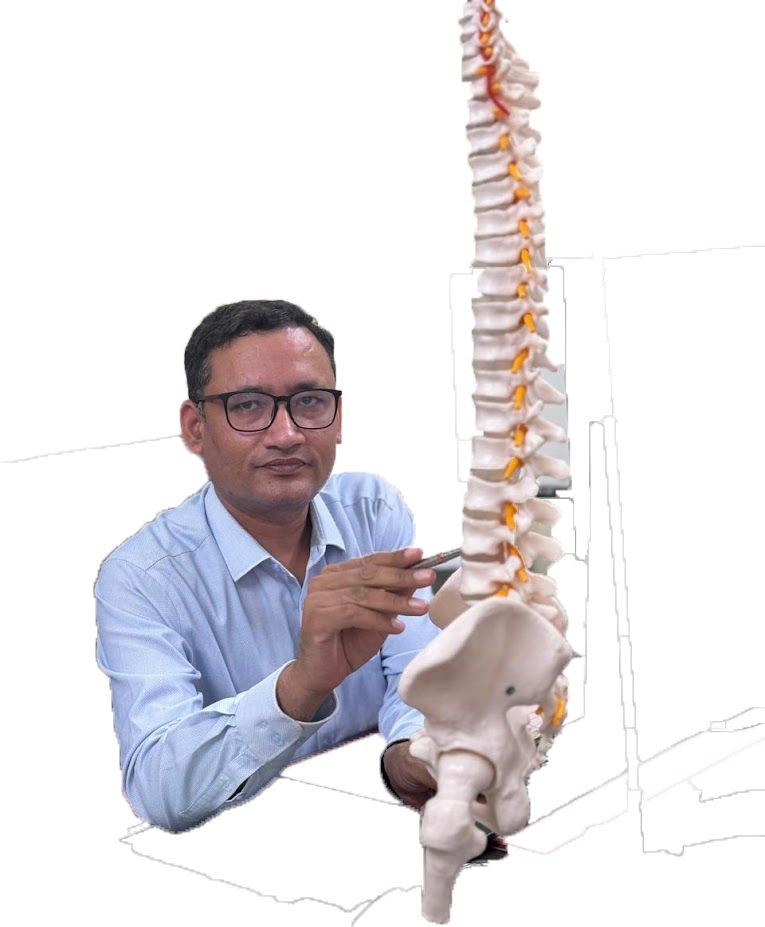
Know About Your Doctor - Dr. Rajneesh Gour
Dr. Rajneesh Gour is a skilled Neurosurgeon and Spine Surgeon with 19 years of experience, including 10 years as a specialist.
Education :
MBBS, Gandhi Medical College, Bhopal
Surgical Training, SMS College, Jaipur
Neurosurgical Training, IPGMER, Kolkata
Current Role :
Consultant Neurosurgeon, Chirayu Medical College and multiple hospitals in Bhopal