
Shubh Hospital

Ayodhya Bypass Rd, Ayodhya Nagar Extension, Ayodhya Nagar, Bhopal, Madhya Pradesh 462041

Phone Number

0755-4928031

+91 94797 84259

Email Address

shubhhospital6@gmail.com

shubhhospital2024@gmail.com
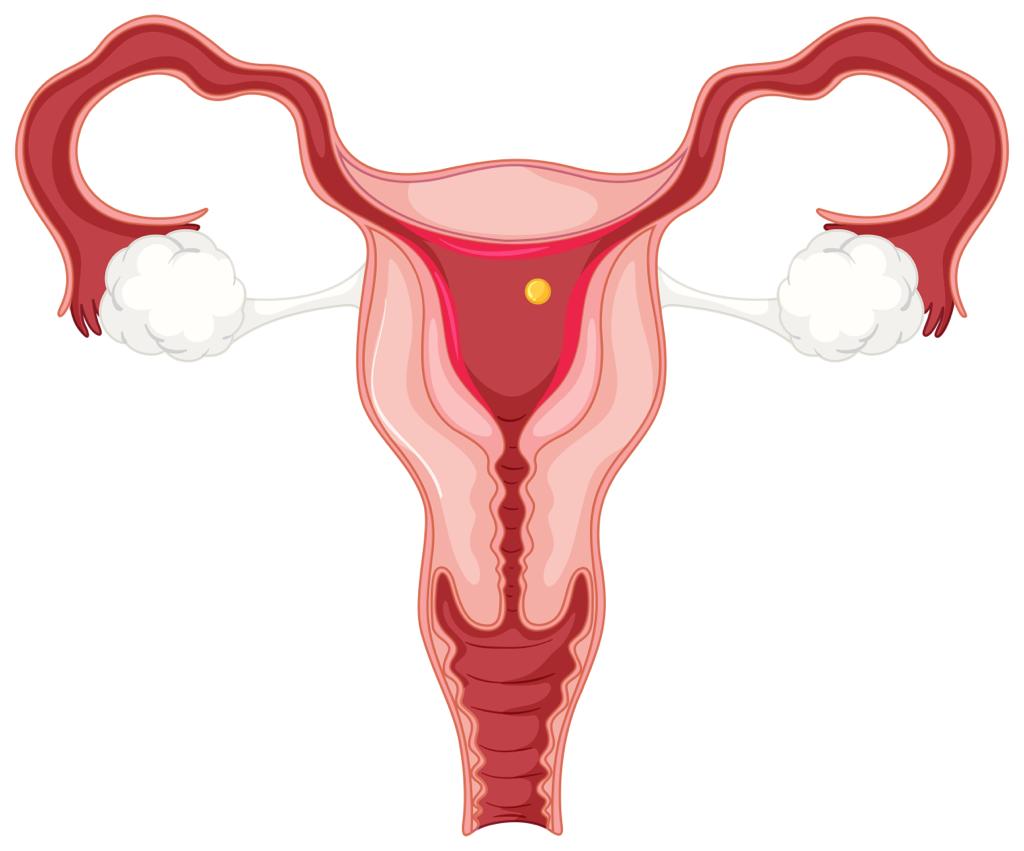
Hysterectomy

A hysterectomy is a surgical procedure to remove a woman’s uterus (womb). It is one of the most common surgeries for women and may be performed for various medical reasons, ranging from non-cancerous conditions to certain types of cancer.

Types of Hysterectomy

  • Total Hysterectomy : The entire uterus, including the cervix, is removed.
  • Partial (Subtotal or Supracervical) Hysterectomy : Only the upper part of the uterus is removed, leaving the cervix in place.
  • Radical Hysterectomy : The uterus, cervix, part of the vagina, and surrounding tissues are removed, often for cancer treatment.
  • Hysterectomy with Bilateral Salpingo-Oophorectomy : This involves the removal of the uterus, ovaries, and fallopian tubes.

Why Is a Hysterectomy Performed ?

A hysterectomy may be recommended for several medical conditions, including :-

Uterine Fibroids :- Non-cancerous growths that cause pain, heavy bleeding, or other complications.

Endometriosis :- When tissue similar to the uterine lining grows outside the uterus, leading to pain and menstrual issues.

Uterine Prolapse :- When the uterus drops into the vaginal canal due to weakened muscles, often causing discomfort and urinary problems.

Chronic Pelvic Pain :- Pain that has no identifiable cause but is linked to the uterus.

Abnormal Uterine Bleeding :- Prolonged or heavy periods that don’t respond to other treatments.

Cancer :- For certain types of cancer, such as uterine, cervical, or ovarian cancer, a hysterectomy may be necessary.

Life After Hysterectomy

  • No Menstruation :- After a hysterectomy, periods stop completely. If the ovaries are left intact, menopause will occur naturally later. If the ovaries are removed, menopause begins immediately.
  • Sexual Activity :- Most women can resume sexual activity after healing, typically in about 6 weeks. Some women may experience changes in sexual sensation or lubrication.
  • Hormonal Changes :- If the ovaries are removed, hormone replacement therapy (HRT) may be recommended to manage menopause symptoms.
  • Emotional Impact :- Some women feel a sense of relief after surgery, while others may experience a sense of loss. It is important to seek emotional support if needed.

Alternatives to Hysterectomy

In some cases, less invasive treatments may be considered before opting for a hysterectomy :-

  • Medication : Hormonal therapies to manage fibroids, endometriosis, or abnormal bleeding.
  • Uterine Fibroid Embolization (UFE) : A procedure to shrink fibroids by cutting off their blood supply.
  • Endometrial Ablation : A treatment to destroy the lining of the uterus, which can reduce or stop heavy bleeding.
  • Myomectomy : The removal of fibroids without taking out the uterus.