Welcome to Shubh Hospital Bhopal
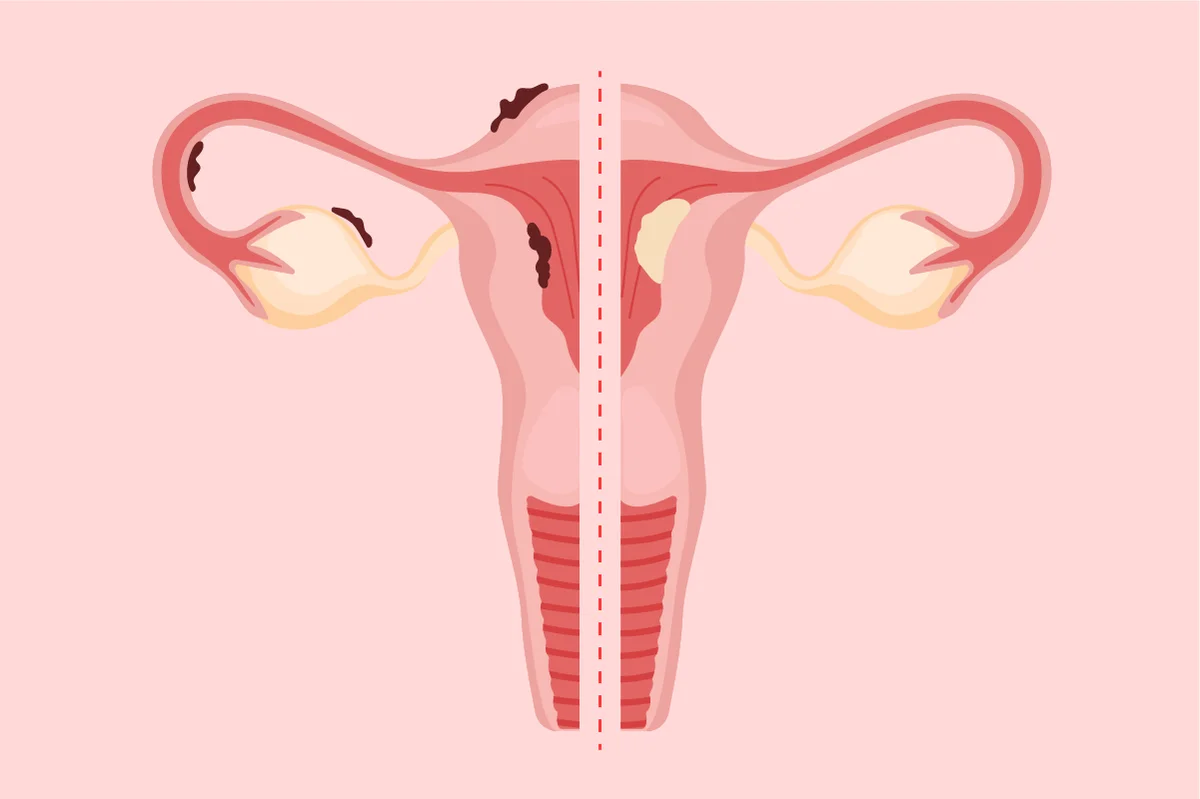
Endometriosis is a chronic condition where tissue similar to the lining of the uterus (endometrium) grows outside the uterus. This can lead to pain, fertility issues, and other complications. It affects millions of women globally and can significantly impact daily life.
The exact cause is unclear, but several theories include:
Pain Relief :- Over-the-counter pain medications such as NSAIDs (ibuprofen) are often used to manage pain.
Hormonal Therapy :- Birth control pills, gonadotropin-releasing hormone (Gn-RH) agonists, and progestin therapy can help regulate or stop menstrual cycles, reducing the growth of endometrial tissue.
Aromatase Inhibitors :0 These medications reduce estrogen production, helping shrink endometrial implants.
Laparoscopy :- This minimally invasive procedure can be used to remove endometrial growths while preserving reproductive organs.
Hysterectomy :- In severe cases where other treatments fail, removing the uterus (and sometimes the ovaries) may be considered as a last resort, especially in women who have completed their families.
Fertility Medications :- In women struggling with infertility due to endometriosis, medications like Clomiphene can help stimulate ovulation.
Assisted Reproductive Technology (ART) :- In-vitro fertilization (IVF) can be an option for women who cannot conceive naturally.
Dietary Changes :- A balanced diet rich in anti-inflammatory foods may help reduce symptoms.
Exercise :- Regular physical activity can help manage pain and reduce stress.
Heat Therapy : Warm baths and heating pads can alleviate pelvic pain.
Managing endometriosis often requires a holistic approach, including medical treatments, lifestyle changes, and emotional support. Women with endometriosis are encouraged to work closely with healthcare providers to find a treatment plan that works best for them.